Introduction
As summer ways, the sweltering heat can flip your smooth home into an uncomfortable sauna. Air conditioning systems change into most important, however the question arises: can you put in your own air conditioner? With a creating development toward DIY initiatives, many home owners are in view that taking issues into their own hands. This article delves into the bits and bobs of DIY AC installation, exploring no matter if it’s without a doubt viable for the commonplace home owner or enhanced left to the mavens.
Understanding the Basics of Air Conditioning Systems
What is an Air Conditioner?
An air conditioner (AC) is a machine designed to control indoor temperatures with the aid of getting rid of heat from a specific zone and expelling it outdoor. It operates on the standards of thermodynamics, concerning refrigerants that take in and free up heat.
Types of Air Conditioners
When deliberating a DIY AC set up, it's mandatory to appreciate the numerous varieties of air conditioners feasible:
- Window Units: Compact sets premier for single rooms. Affordable but will likely be less helpful for better areas. Portable ACs: Versatile and mild to maneuver yet may also require venting using a window. Split Systems: Comprising two contraptions (indoor and backyard), proposing valuable cooling for complete houses however difficult to install. Central Air Conditioning: Best for tremendous buildings, making use of ducts to distribute cool air at some stage in.
Choosing the Right Air Conditioner
What Size of AC Unit Do I Need?
Determining the right measurement is very important. An undersized unit will conflict to chill your house, even though an oversized unit will cycle on and rancid too sometimes, top-rated to inefficiency. The widely wide-spread rule of thumb is:
- Calculate your room's sq. pictures. Use BTU (British Thermal Units) scores as a handbook. Typically, you desire about 20 BTUs according to square foot.
| Room Size (sq feet) | Recommended BTUs | |-------------------|------------------| | one hundred - three hundred | 5,000 - 7,000 | | 300 - 600 | 7,000 - 14,000 | | 600 - 1,000 | 14,000 - 25,000 |
How Do I Know What Type of Air Conditioner to Buy?
Choosing an AC contains comparing numerous explanations:
Room Size: Larger rooms require greater helpful instruments. Energy Efficiency: Look for models with high SEER (Seasonal Energy Efficiency Ratio) scores. Installation Feasibility: Some forms are simpler for DIY deploy than others. Cost: Factor in either initial acquire price and long-time period operational fees.DIY AC Installation: Can You Really Do It Yourself?
The solution isn’t common; it depends generally to your competencies and ride. While many householders successfully entire their personal https://writeablog.net/margarmyak/benefits-of-investing-in-high-efficiency-air-conditioners installations, there are complexities fascinated that can result in errors if one isn’t cautious.
Pros of DIY Installation
Cost Savings: Avoid exertions prices through dealing with setting up yourself. Flexibility: Choose your agenda with no waiting for expert availability. Learning Experience: Gain valuable advantage and know-how about HVAC systems.Cons of DIY Installation
Potential Errors: Mistakes can result in inefficient operation and even break to the unit. Safety Risks: Working with electrical supplies poses safeguard hazards if not dealt with efficiently. Warranty Issues: Many brands void warranties if installations aren’t played via qualified gurus.Preparing for Your DIY AC Installation
Gather Necessary Tools and Equipment
Before diving into setting up, ensure that you've gotten every part you need:
- Screwdrivers Wrenches Level Tape measure Drill Safety goggles and gloves
Read the Instruction Manual Thoroughly
Each air-con unit comes with actual training that will have to be adopted intently for proper install and ideal efficiency.
Step-by-Step Guide to Installing Your Own AC Unit
Step 1: Choosing an Installation Location
Select a place that lets in ample airflow either interior and open air at the same time as being surely purchasable for repairs.
Step 2: Mounting the Indoor Unit
If you are setting up a break up device:
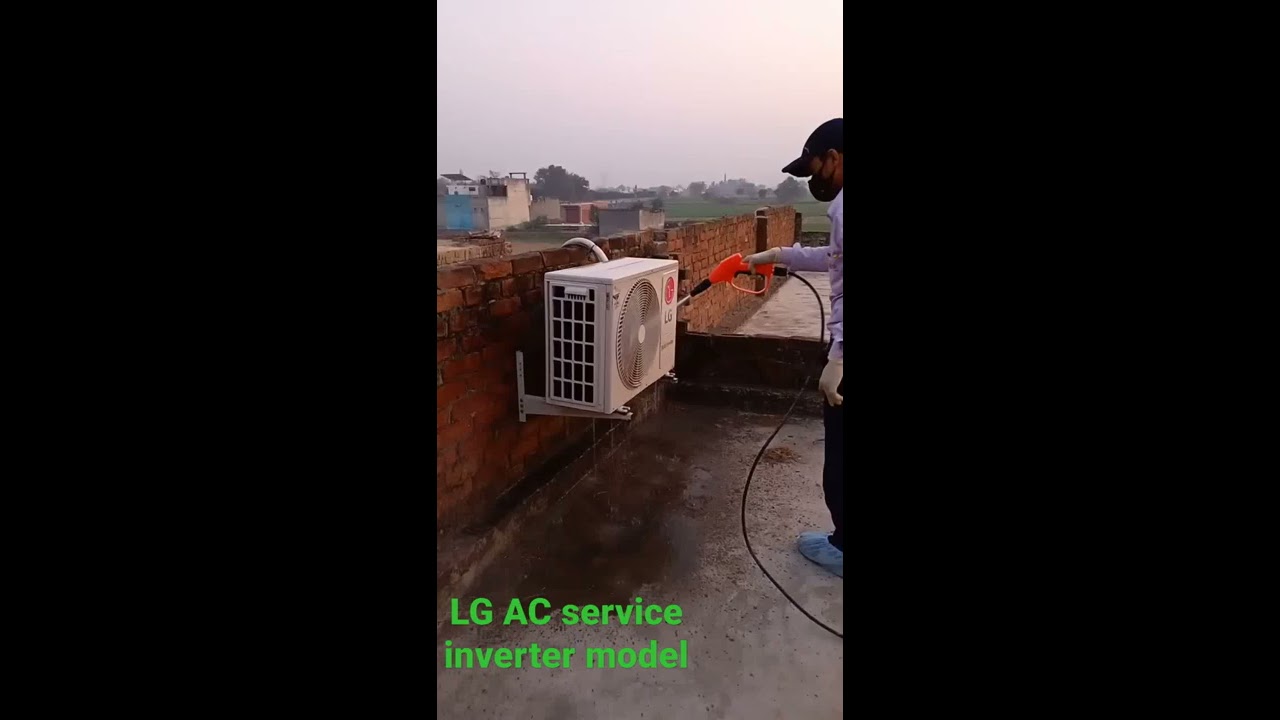
Step three: Installing the Outdoor Unit
Place the backyard condenser on a secure surface like concrete pads or brackets—making certain relevant drainage clear of your home.
Step 4: Connecting Electrical Lines
Follow safe practices protocols while connecting strength lines:
Turn off electrical power at the breaker container earlier delivery paintings. Connect wires in response to organization necessities; fallacious wiring can intent fires or gadget failure.Step five: Sealing Refrigerant Lines
Ensure all connections are tight and thoroughly insulated with foam tape or equivalent substances to avoid vigour loss.
Testing Your Newly Installed AC System
Once every little thing is attached:
Turn on capability on the breaker box. Switch on your unit as a result of faraway keep watch over or wall thermostat. Monitor functionality—take a look at airflow temperature after working for a couple of minutes; it have to be relatively cooler than room temperature.FAQ Section
Q1: Can I Install My Own AC Unit?
Yes! Many homeowners effectively full their possess installations; despite the fact, it requires careful planning and adherence to safe practices protocols.
Q2: How Much Does Professional AC Installation Cost?
Professional expenses fluctuate greatly dependent on position yet almost always latitude from $500-$2000 depending on complexity and type of unit put in.
Q3: Where Can I Buy Air Conditioner Online?
Several authentic agents promote air conditioners online—glance out for buyer stories whilst deciding to buy from sites like Amazon or specialised HVAC retail outlets like acprices.ca.
Q4: Are There Any Local Regulations Regarding AC Installation?
Yes! Check nearby building codes which may perhaps dictate targeted requisites related to HVAC installations—failure to comply may possibly end in fines or needed elimination of non-compliant devices.
Q5: What Maintenance Is Required After Installation?
Regular maintenance incorporates altering filters every few months, cleansing coils annually, checking refrigerant stages, and guaranteeing drainage procedures work wisely.
Q6: How Do I Find The Best AC Companies in Canada?
You can search online directories like acprices.ca which give scores headquartered on purchaser critiques and service quality—ensuring you choose professional carriers whilst considered necessary!
Conclusion
In conclusion, whereas carrying out a DIY AC installing might seem daunting in the beginning look, with adequate guidance and knowledge it’s wholly possible! From working out what length unit matches your demands most interesting through getting to know how every factor works together—the journey can also simply empower you extra as a owner of a house! Remember always prioritize safe practices peculiarly else at some point of setting up processes; if unsure don’t hesitate accomplishing out gurus listed at most effective AC organization listing Canada acprices.ca!
With summer season good round nook don’t allow affliction get you down—equip yourself in the present day through making an investment time researching products achieveable until now making judgements even if employ mavens skilled tradespeople or take plunge into intriguing global do-it-your self initiatives!
This article provides complete insights into DIY aircon deploy even as declaring professionalism all through its content material—encouraging readers discover probabilities expectantly!